
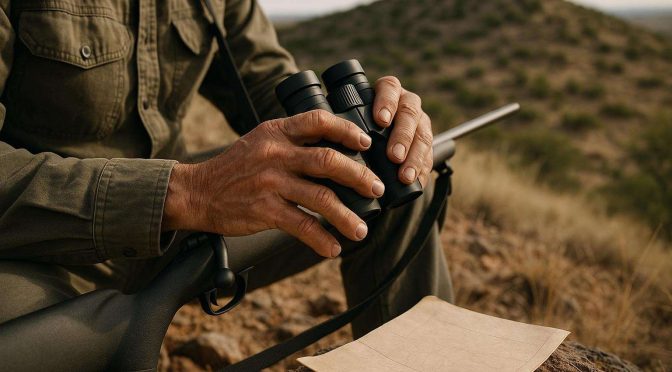
The Guide, to Decision-Making on a West Texas Hunt
A successful guided hunt goes beyond seeing an animal in your sights; it depends on making choices about when to take a shot. Conditions on the ground can often affect your decision to shoot-things like blocked views, bad angles or fading light can lead to decisions that harm your hunt and your ethics. Using preparation and talking things through not improves your shooting. Also helps you stay true to your goals in the field.
Setting Expectations Before Heading Out
Conflicts can happen even before the hunt starts so it's important to talk about the details of your hunt before you go. Just because an animal is allowed to be shot doesn't mean it's a target. Take the time to talk about what will guide your decisions when its time to shoot-think about things like the angle of the shot how clear the view is and how likely it is that you can find the animal after shooting.
It's important to ask your guide questions to avoid confusion. What kind of animals can you expect to see? What happens if an animal appears? Set ways to talk about when you see an animal and set rules: no shots through thick bushes, no uncertain identification and no shooting if recovery is not clear.
The Difference Between Seeing and Knowing
Seeing an animal and knowing what it is are two things. The time you spot it can be wrong-distance, light or bushes can make it hard to tell. Before thinking about shooting make sure you are sure about what kind of animal it's what gender it is. If you can't clearly say what you see or why it meets the rules it's better to not shoot.
Even though your guide knows more about the area the final decision is up to you. Don't be afraid to ask if you're not sure. A calm question can stop a mistake in times when many animals are around. Stay focused on what you see; if needed ask your guide to move your view or just wait until things get better.
Talking with Your Guide
Before the hunt come up with words that everyone understands-words like "wait " "hold," "not the animal " and "I'm not comfortable." This kind of clarity can stop decisions that happen because of excitement during moments.
It's also important to understand who is responsible for what. Your guide can help with the environment. Encourage patience. That doesn't mean you don't have to be sure about taking the shot. If something feels wrong say so.
Being honest about your shooting skills and how familiar you are with the area is important. Don't overstate your ability; thinking you're better than you are can lead to results. This honesty also helps your guide place you in the spots and create chances that match your skills.
Ethical Choices When Shooting
Just because a shot is allowed doesn't mean it's the one. Always think about whether the angle, the weather and the overall situation give a chance of an kind kill.
Sometimes waiting for the moment is better than aiming for a closer shot. If an animal starts moving or the conditions get worse being patient might be the choice. Remember the land is important in deciding what happens after a shot; a hurt animal could run into bushes or go somewhere you can't follow making it hard to find.
Keep Up with the Rules
Rules can change often including when the hunting season's what kind of papers you need and what the rules are on places. Before you leave check the info from the Texas Parks and Wildlife Department. Make sure to look at the rules for where you're going the kind of animal you're hunting and the papers you need to carry.
Talk to your guide about what papers to bring and what to do after you shoot an animal. Keep in mind that hunting on land doesn't mean you don't have to follow the rules. It's an idea to write down your questions so you don't have to rely on memory when you get there.
A Quick No-Shot Check List
Keep a list to use when things get intense:
– Have I made sure I know what animal it is, what gender it is and what it needs to meet the rules?
– Is the path clear with a background and a good place to stand?
– Is the distance and angle right for my skills?
– Is an kind kill
– Can I find and get the animal after shooting?
– Are all my choices in line with the rules and the plan for the hunt?
If you're unsure. Any of the answers are no wait. Holding off doesn't mean you missed a chance; it shows you care about doing the thing.
The Good of Choosing Not to Shoot
Being a hunter isn't about what you take home. Choosing not to shoot when you're not sure can help animals. Help manage the wildlife. Being a responsible hunter means following the rules reporting when needed and not wasting what you take.
Sometimes it's hard to let a chance go after working to get ready but a guide who values your care for hunting will see your choice as a strong start for trust. In the end the best part of a hunt in West Texas isn't about wanting to shoot but, about agreeing on when the right time is knowing the rules and being ready to wait for the best moment.